
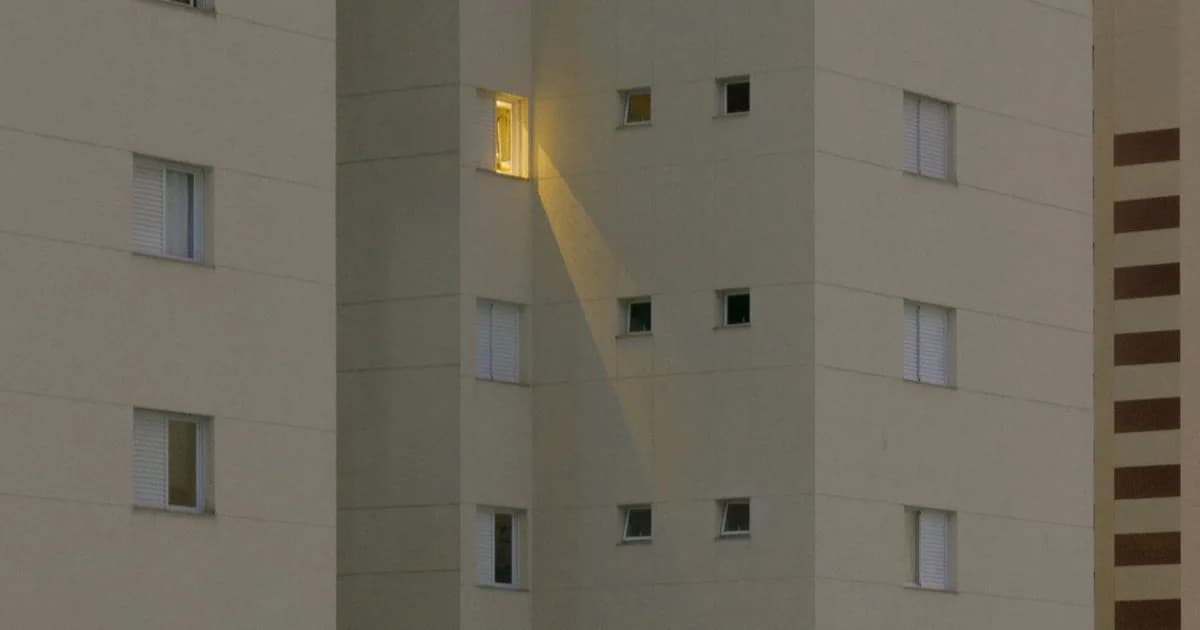
At night, the syndic is never really closed
Building incidents have a formidable sense of timing: a pipe that gives way on a Saturday evening, water coming in during a night-time storm, a car park gate stuck open at one in the morning. For the co-owner, the syndic is the natural contact; they see no reason why it should cease to exist at six in the evening.
Legally, the role does have an emergency dimension. In France, Article 18 of the Act of 10 July 1965 requires the syndic, in an emergency, to have all work necessary to safeguard the building carried out on its own initiative. But it still has to be informed of the emergency when it occurs.
Telling an emergency from an inconvenience
Not every night-time call justifies waking a property manager or sending out a plumber. An active leak coming from the common areas, someone stuck in a lift, a front door that no longer closes or a communal heating failure in very cold weather call for immediate action. A noisy neighbour, a bin not put out or a blown bulb in the stairwell can wait until the offices open.
This checklist is best written down and approved with the residents’ council (conseil syndical). It avoids decisions made in the heat of the moment and mutual recriminations: co-owners know what will be dealt with overnight, and the property manager knows what is expected of them.
The checklist should also cover grey areas, such as a leak clearly coming from a neighbouring flat whose occupant is away. The caller then needs to know whom to alert and how to limit the damage in the meantime, even if the repair does not directly concern the common areas.
When people’s safety is at stake
Some situations go beyond the syndic’s role. A fire breaking out, a collapse, an injured person or a smell of gas are first and foremost a matter for the emergency services: 18 for the fire brigade in France, or 112, the European emergency number. The first instruction given to the caller must therefore be to contact them, before doing anything else.
The syndic then steps in to make the building safe and coordinate repairs. Restating this division of roles in the night-time greeting is not an admission of helplessness; it is a sign of professionalism.
A contractor directory for each building
Night-time responsiveness is prepared during the day. For each building, the property manager should have an up-to-date sheet: on-call plumber and locksmith, lift company and its breakdown service number, heating engineer responsible for the boiler room, location of the stopcocks, name of the caretaker if there is one.
With this sheet, the person or system answering at night can direct callers without improvising: transfer to the on-call contact, or give the co-owner the right breakdown number. Without it, even the best call handling can only take a message.
A written record for the next day
The next morning, the property manager must be able to piece together the night without calling every co-owner back: who called, at what time, for which building and which unit, what was observed and what was set in motion. This timeline also serves for the insurance claim and for informing the residents’ council.
A transcribed and summarised call provides exactly this material. It avoids the note scribbled by a colleague woken with a start, and it makes it possible to spot buildings where the same incidents recur, which feeds into planning future works.
A phone service that never sleeps
Alyas can provide this first night-time response: the voice agent announces itself as an AI, applies your emergency checklist, gives the emergency numbers when safety is at stake, transfers to the on-call contact you have designated and produces a summary of every call for the property manager the next day. Hosting is in the European Union and the free trial lasts ten days.
Frequently asked questions
Can the syndic commission urgent work without the general meeting’s approval?
In France, Article 18 of the Act of 10 July 1965 requires it, in an emergency, to have the work necessary to safeguard the building carried out on its own initiative. What happens next is governed by the applicable legislation and the syndic’s contract.
What should a co-owner do if a fire breaks out or they smell gas?
Call the emergency services first, 18 or 112 in France, then notify the syndic. Keeping people safe comes before managing the building.