
The problem: everything arrives at once
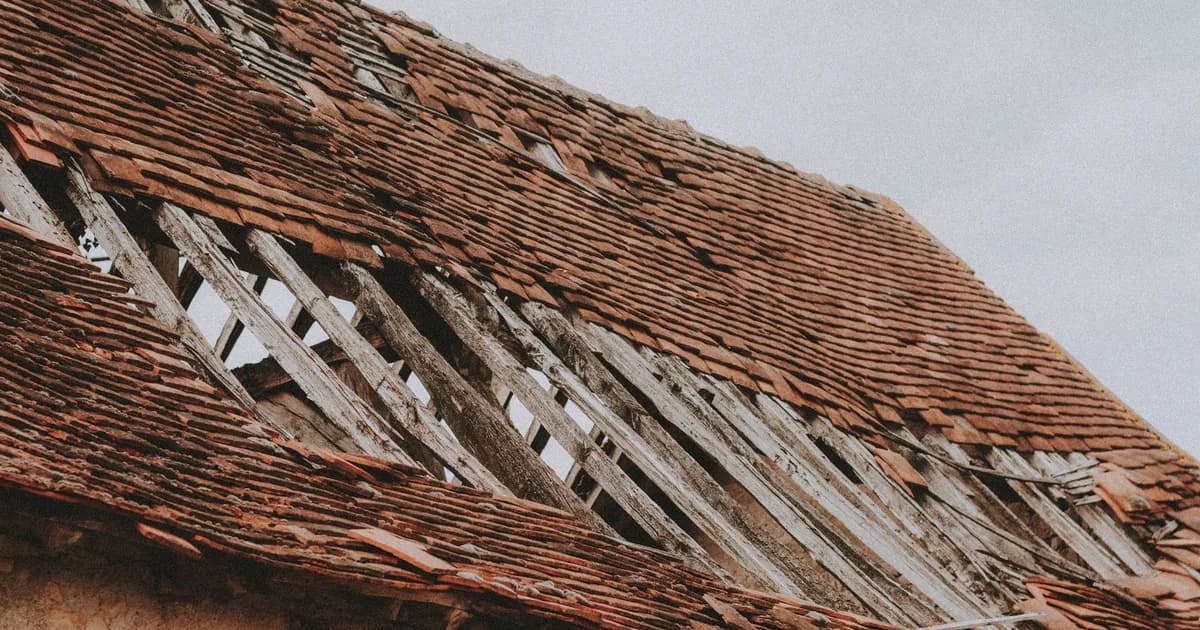
The day after a gale, the calls are similar and overlap: tiles blown off, a damaged ridge, a leak through the ceiling, a gutter torn off. Each customer feels, rightly from their point of view, that their case is a priority. If requests are jotted down on scraps of paper, from calls taken between two ladders, some get lost and others get called back twice.
The solution comes down to discipline: the same form for every call, a single list, and one person who decides the order of visits.
Who decides the order of jobs
Prioritising is the roofer’s job, not that of the person or tool answering the phone. The roofer knows what can be made safe quickly, how many tarpaulins are left and which areas can be covered in a day. The criteria are the roofer’s own: water coming in right now, elements threatening to fall onto the street, an existing customer, distance.
Reception, for its part, asks everyone the same questions, promises no date and is honest about when the customer will be called back. A customer who knows when they will be called back has less reason to chase than one left without news.
The information to collect on every call
So that the roofer can sort requests without calling back, each form contains: name and phone number, exact address of the property, type of building, a description of the damage in the customer’s own words, whether or not there is water inside, the caller’s status (owner, tenant, managing agent), and whether they have already notified their insurer. Photos are requested afterwards, by email to an address the roofer provides.
The rules on home repair call-outs apply: the Service-public page on the subject (Service-public is the French government’s official information site) explicitly mentions roofing. Before any work, the professional must provide a detailed quote and inform the customer of their hourly labour rate, call-out charges and any surcharges. Reception can say so from the first call: it is reassuring, and it is the rule.
What the customer must do about their insurance
The roofer does not comment on cover, but can point to two reference points in French law. First, Article L113-2 of the French Insurance Code requires the policyholder to report the loss as soon as they become aware of it, within the period set by the contract, which cannot be less than five working days. Second, Article L122-7 provides that contracts covering damage to property cover the effects of wind caused by storms.
For wind, France’s natural disaster scheme is reserved for cyclonic events with winds reaching or exceeding 145 km/h averaged over ten minutes or 215 km/h in gusts. When a natural disaster order (arrêté de catastrophe naturelle) is published, Service-public states that the claim must be made no later than 30 days after its publication, with an itemised list of the damaged property accompanied by supporting documents such as invoices or photos. In every case, the customer should check their contract.
Post-storm scams: standing out through transparency
The recommendations of the DGCCRF (France’s consumer protection authority) on home repair call-outs, relayed by Service-public, also apply to a roofer’s customers: compare several professionals, ideally at least three, insist on a quote before any work, be wary of repair leaflets slipped into letterboxes, and obtain a signed copy of the contract with the standard withdrawal form where that right applies. The French Consumer Code excludes from the right of withdrawal maintenance or repair work to be carried out urgently at the consumer’s home and expressly requested by them, limited to what is strictly necessary to deal with the emergency (Article L221-28); for non-urgent work agreed at a distance or off-premises, Service-public points out the 14-day withdrawal period.
A reputable roofer has every interest in adopting this advice as their own: introduce themselves clearly, send a written quote, never apply pressure and never ask for payment over the phone.
Keeping the phone line going during the crisis
During these few days, what matters is that every call produces a usable form, even when no one is available to answer, and that the greeting message tells the truth about waiting times.
Alyas answers 24 hours a day based on the information you give it, including a message about your current lead times, collects each caller’s contact details and request, transfers to a single number when the caller asks and places a transcript and a summary of each call in your Alyas dashboard. The trial is free for 10 days, with no credit card required.
Frequently asked questions
How quickly must storm damage be reported to the insurer?
In France, within the period set in the contract, which cannot be less than five working days under Article L113-2 of the Insurance Code. If a natural disaster order is published, the claim must be made no later than 30 days after its publication.
Is a storm a natural disaster?
Under French law, in principle no: the effects of wind fall under the storm cover in property damage contracts (Article L122-7). Only cyclonic winds reaching 145 km/h averaged over ten minutes or 215 km/h in gusts fall under the natural disaster scheme. Flooding caused by a storm, however, may be the subject of a natural disaster order.
Can a roofer do emergency work without a quote?
No: according to Service-public, for home repair call-outs in France, including roofing, the professional must provide a detailed quote before any work and inform the customer of their rates and call-out charges.
Sources
- Légifrance: Article L113-2 of the Insurance Code (version in force since 1 April 2018) (in French)
- Légifrance: Article L122-7 of the Insurance Code (version in force since 4 March 2022) (in French)
- Service-public: natural or technological disaster, compensation by insurance (checked on 10 April 2026) (in French)
- Service-public: home repair call-outs (checked on 25 March 2025) (in French)
- Service-public: home repair call-outs, DGCCRF advice on avoiding scams (11 October 2023) (in French)
- Légifrance: Consumer Code, Articles L221-18 to L221-28 (right of withdrawal and exceptions) (in French)